
The Journey, Inspiration, and Pursuit of Music: An Eighty Unplugged Panel Interview
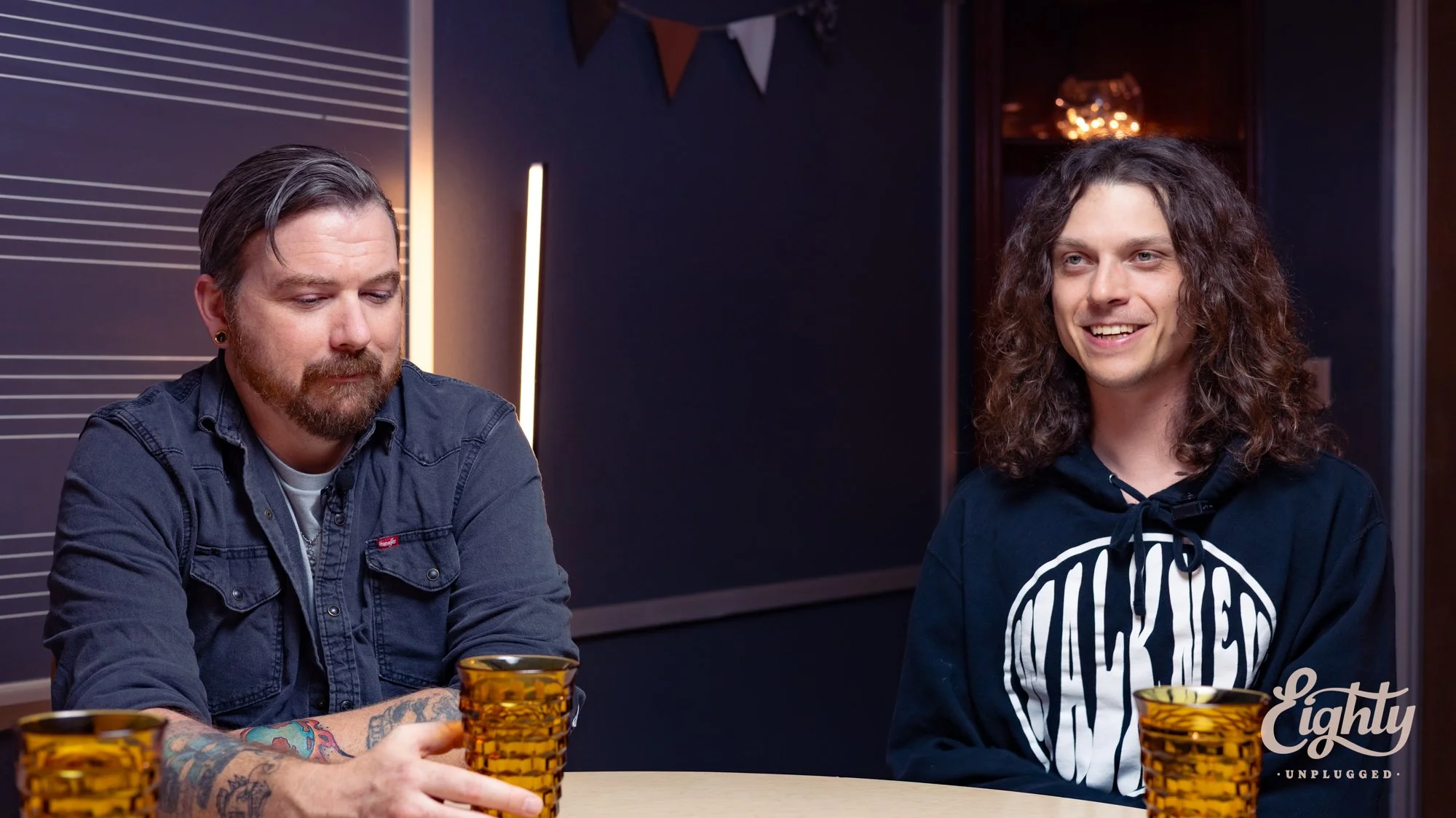
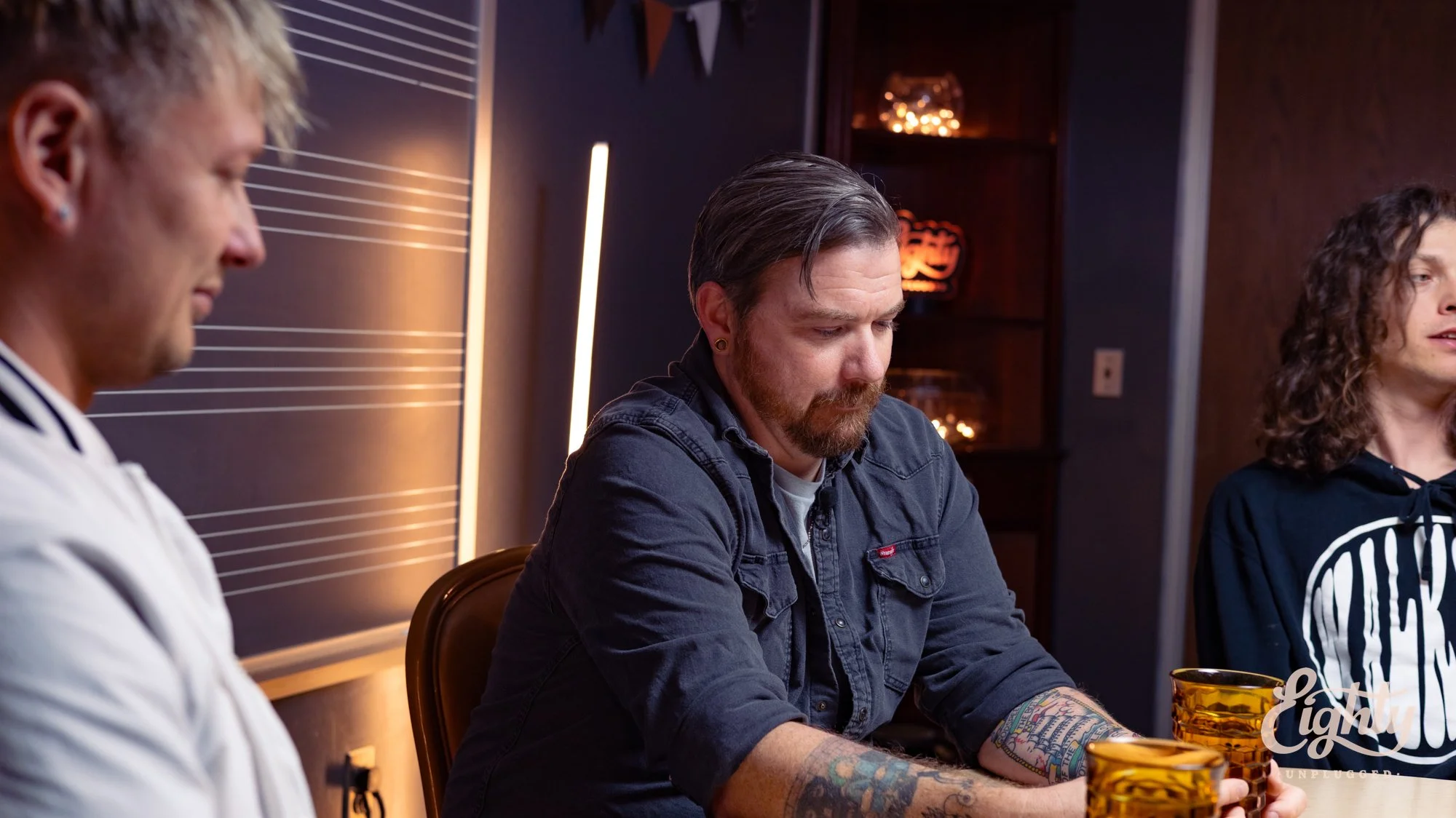
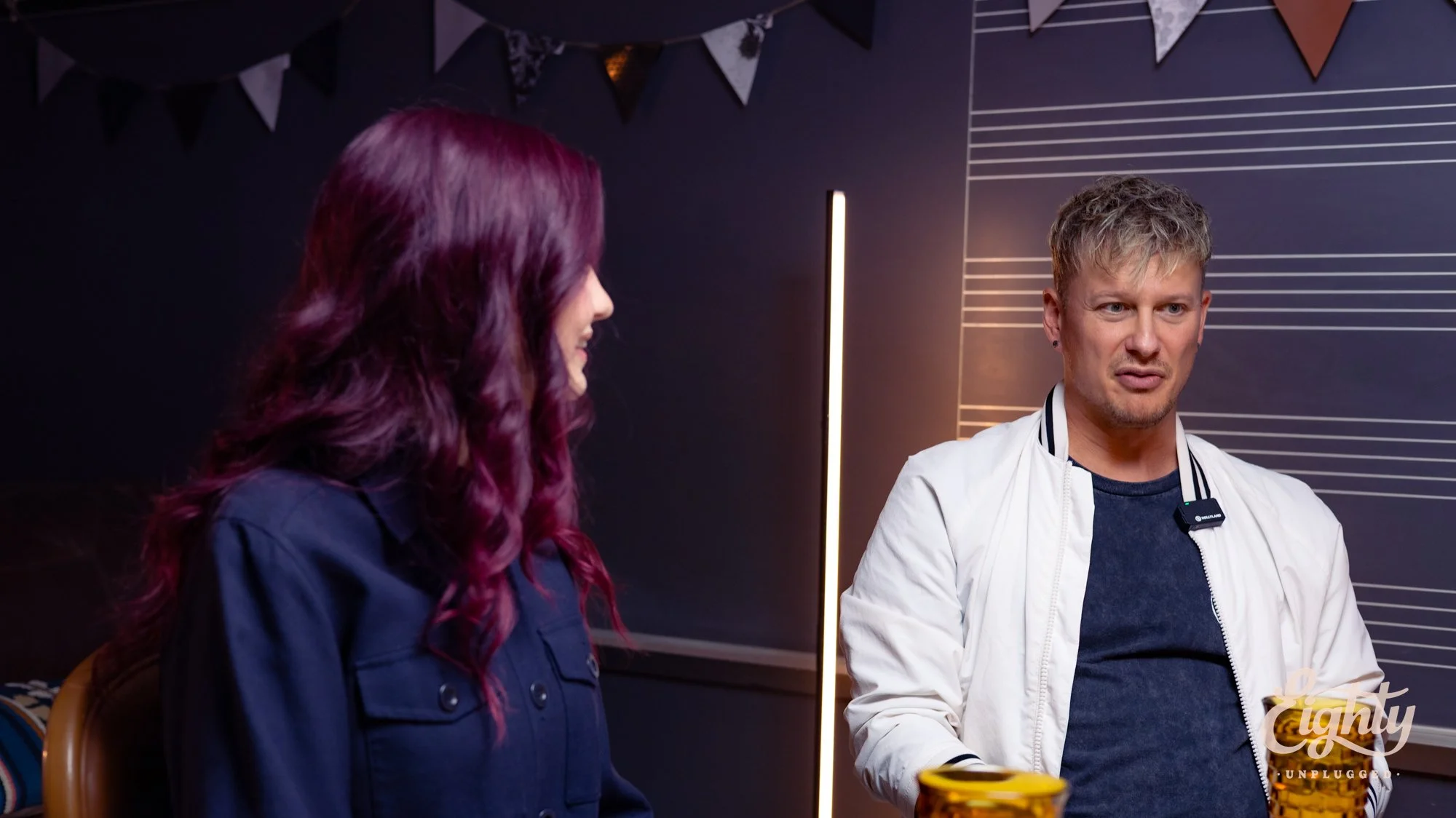
The journey of lyricists, poets, and songwriters is rooted in the pursuit of how music can shape perspectives and inspire community. In this special episode of Eighty Unplugged, AD “Eighty” Cuffee sat down with three songwriters to explore these concepts on a practical level. We’re happy to welcome Jeremy Gross, Jimmy Mowery, and Walkney as the familiar favorites making up the first ever songwriting discussion panel.
Journey Into Songwriting
What inspires the songwriter to write in the first place? The reasons are as unique as each individual, but the seemingly universal outcome is positive for both the writer and the listener. Jimmy started writing music as a kind of therapy, a way to process difficult emotions after losing his father. Jeremy, who makes music under the name Desperate Sounds, felt like songwriting was a natural progression from growing up around music, learning guitar, and enjoying reading and writing in general. Walkney started writing poetry and going to see live shows through An Emergency Scene as a young teen, which led to him and his friends forming a band.
The three songwriters agree that songwriting, and by extension performing live, has been a net positive. It functions as a kind of outlet for the things that don’t find another way to express themselves. They’ve all been writing long-term through most stages of their lives. Walkney believes his music is reflecting how he’s starting over as a young man in his early 30’s. Jimmy feels that songwriting through his life stages has made him braver and more open. From deep topics, like his recent sobriety, to less serious genre exploration, he allows himself to create freely. Jeremy agreed that life changes how you write. He pushes himself with sounds and subjects, never trying to stay in the same place for too long.
As time goes on, subjects and approaches adapt and flow with how life inspires. Jeremy Gross’ method often centers around songwriting phases, with two or three songs emerging from the same concept or the immediacy of a recent event. Walkney’s style is intuitive, starting with the music and playing with melodies until something that fits well emerges from the process. He credits this process-of-thought with how he most recently wrote the song “Emotion.” Jimmy values much of what he learned at Berklee College of Music. It’s where he learned the Nashville Technique, where musicians write out song titles that could work and choose a few to expand upon each songwriting session. It’s how he wrote his song “Drink to Remember.”



Inspiration and Community
Lyricists inspire lyricists. In Jeremy’s case, his favorite is Corey Brannon, whom he describes as a “songwriter’s songwriter.” Corey’s willingness to write in different genres and with unique sounds inspired Jeremy to do the same with his project, Desperate Sounds. Walkney admires Paolo Nutini’s ability to write poignant lyrics in a style that blends pop, rock, and funk. The early days of pop-punk created artists like Fall Out Boy, Blink-182, and Panic! At the Disco. Jimmy says they inspired his early writing, with artists like Taylor Swift and Ed Sheeran influencing him with their style and honesty.
Some songs have proved themselves so powerful, they change perspectives and linger in our consciousness forever. For Walkney, it was All-Time Low’s “Jasey Rae.” The lyricism felt like poetry to Walkney, and it overwhelmed him in a way that made him want to write music. Jimmy appreciated Fall Out Boy’s first record for blending genres in a way he’d never heard before. Jeremy says Chuck Ragan helped him to be brave about putting out music as an individual. Chuck released a record outside of his band, Hot Water Music, that tapped into a sound that wasn’t quite what his band was used to. Jeremy especially likes the song “Nothing Left to Prove.”
It can be hard for songwriters, at times, to see their own creations in the same light as the songs and artists they admire. Eighty was able to peel back some of that resistance by asking about the songs the panelists wrote that changed their lives, acting as a kind of before vs after pivot point in their perspectives. For Jimmy, “Damaged Goods,” a song we’ve visited in his episode of season one, was a game-changer for him. It delineated from his usual style and subject matter in a way that helped him progress. For Jeremy, his return to songwriting felt real for him when he penned “Nothing left to Burn.” Walkney is grateful for his song “Lucia Rose,” his first solo track that ultimately made it onto Now 66.
One of Eighty Unplugged’s previous interviewees, Alyssa Malvoisin, had mentioned how grateful she was to exist in a community of music and writing, especially when she first started. The panel have each had different environments at different times, but they each believe it shaped how they wrote. Walkney couldn’t stress enough how important community is, and how belonging to the live music scene in his area gave him a place to feel like he really belonged. Jimmy expressed something similar, having tried sports in high school but committing more to music in middle school. Jeremy spent most of his early songwriting days without an overt community. However, it has given him his own style, and he can now collaborate with other songwriters to push his craft and grow.
The best part of community is the advice you get along the way. Walkney’s best piece of advice was from Alex Gaskarth of All Time Low. He told him not to fall in love with every song he writes, because moving on will keep him from spinning his wheels. Jimmy was advised by two musicians he admires, Brian Craddock and Adam Levine, that it’s okay to be confident. It helped him to be more comfortable in his own skin. The best advice Jeremy ever got about songwriting was not to take himself so seriously. Writing songs that aren’t so serious, or approaching the process in less serious way, can open up good ideas and create space to be free while writing.
One thing the panel gave as advice themselves was not to get too caught up in comparison. Jeremy says, as a result of having more people around him, he compares more now than he did when he first started. But the comparison is rooted in growth and admiration rather than resentment. Jimmy and Walkney both mirror the same sentiment. Everyone has their own lane, and appreciating that creates a sense of encouragement in whatever local music scene someone may find themselves.





In Pursuit of Music
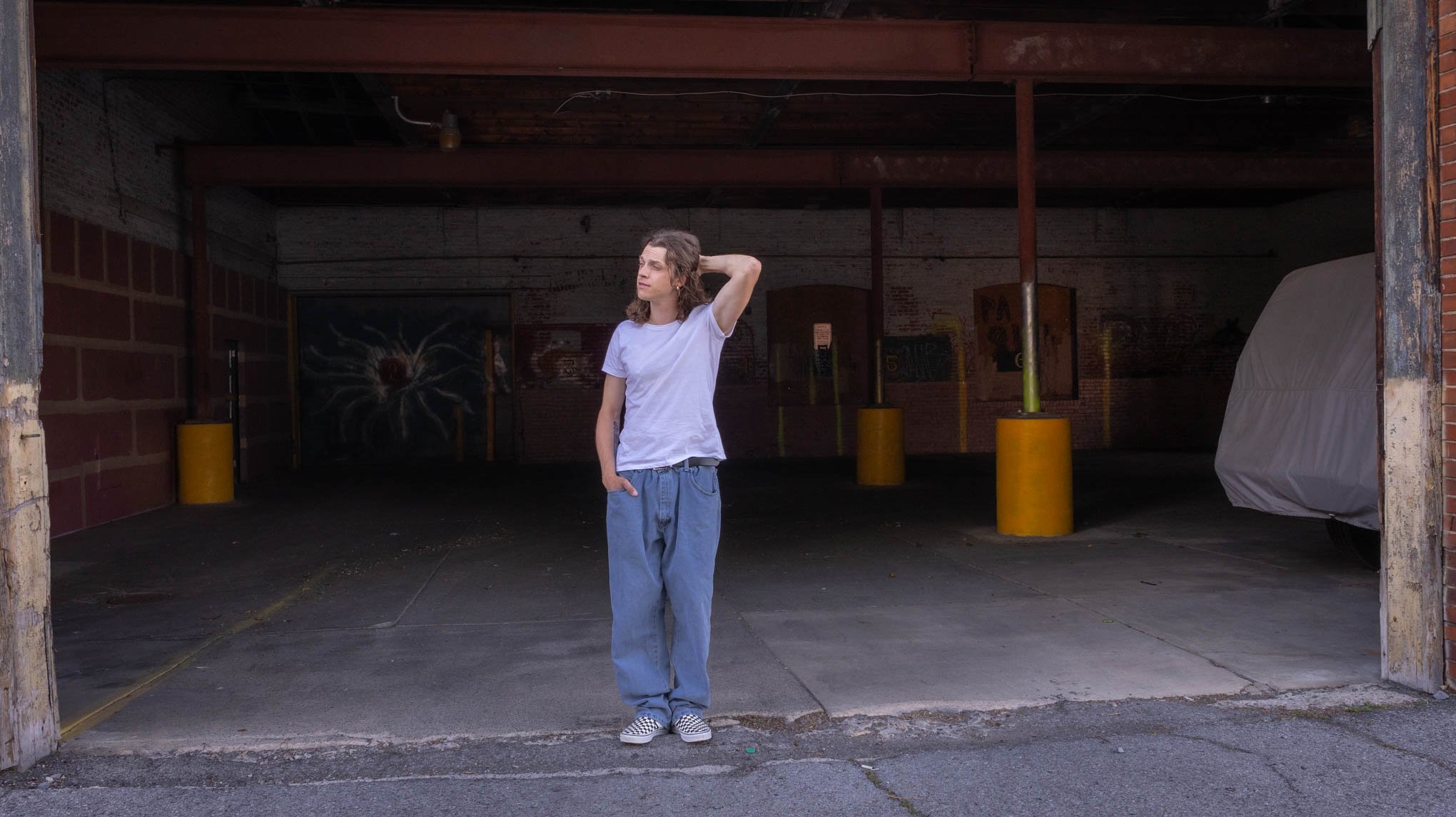
Eighty also finds creative expression through her work as a graphic designer. When asked about their other creative outlets, Jimmy highlighted that songwriters need to find things outside of music in order to avoid burnout. He started remodeling the home he bought, and now loves the process of painting, building, and problem-solving. Walkney loves the aspect of songwriting that creates connection and helps people. If he hadn’t become a musician, he may have been a grief counselor.
Grief is sometimes a motivator for writing music. It is interesting to explore difficult emotions, but do songwriters have to be tortured to be good? The panel had mixed feelings about it. Jimmy feels that it is not necessary to be a tortured songwriter, but it is easier for him to write from sad or angry emotions. Jeremy acknowledges that pain is powerful. But he believes it is the power that inspires, and powerful emotion will lead to quality songwriting whether happy or sad. Walkney feels that it’s discomfort leads to good songwriting. Being ready to “answer the door when inspiration knocks” is the key to growth.
Life ebbs, flows, and gets more complex as time goes on. Art follows, and in some ways art takes on some of the change along the way. Jeremy wholeheartedly thinks so, as his music follows a similar arc. Jeremy feels his music is often much sadder and less upbeat than his normal personality. With a high-energy personality and a penchant for blending genres, Walkney believes his music right now is reflecting what’s going on in his world. But the takeaway for all three was this: art doesn’t mimic life, but it does document it.
So why does the process matter? What does it mean to be a human searching for the right words, in the right order, to the right music? It means allowing the process to breath the way you do. It means following your own path, yet being open to guidance from friends who walk alongside you. It means being human and allowing that experience to be the essence of the craft. Our three panelists were so gracious to give us a glimpse into their pursuit of music. We can’t wait to hear what they write next!
Why I Wrote
Each of our panelists—Jimmy Mowery, Jeremy Gross (Desperate Sounds), and Walkney—provided more context for previously recorded songs.
Listen to their “Why I Wrote.”
Watch The Other Episodes Featuring These Artists & Read Their Articles!




Follow Our Panelists!
Support Walkney, Jimmy Mowery, and Jeremy Gross by following them on these platforms!
Spotify:
Walkney https://open.spotify.com/artist/43dyV4dNHqxq24E1UlRvxt?si=olwcbwWASE25nMsPddYeUQ
Jimmy https://open.spotify.com/artist/58e8QpVKO4GflSPwWIMhmw?si=uklLIg0TRA6xMz4zqN0eMA
Jeremy https://open.spotify.com/track/29WL4JgDq2IV7UTbH0BnL4?si=h_PiOWXJSp2N_Tz0ps3TUQ
Facebook:
Walkney https://www.facebook.com/WalkneyOfficial/
Stay plugged in to Eighty Unplugged by subscribing to the podcast and following on all socials.